Time to get back to school!
by Journey to Health Program Director, Becky Anderson
School lunch or pack a lunch box? Which will be the healthier option for your child?
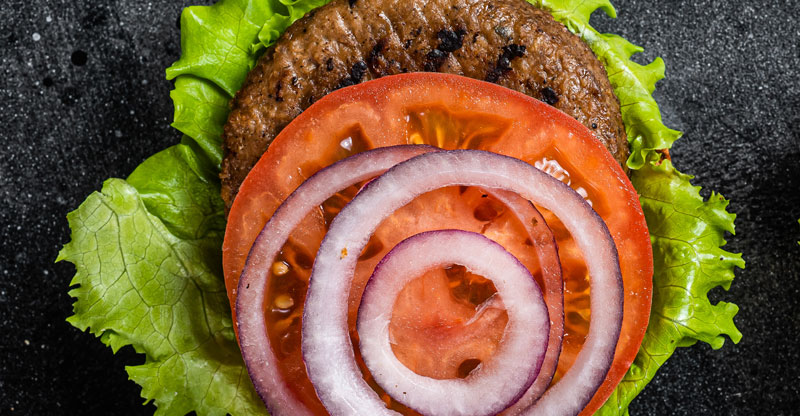
School meals aren’t the mystery-meat trays many of us remember. Federal nutrition standards under the National School Lunch Program require every tray to include fruits, vegetables, whole grains, a protein source, and milk, with strict limits on saturated fat and sodium. Starting in the 2025-2026 school year, USDA rules are also phasing in tighter limits on added sugars in cereals, yogurt, and flavored milk, with a broader 10%-of-calories cap on added sugars arriving by school year 2027-2028. Sodium limits are also dropping in stages through 2029-2030.
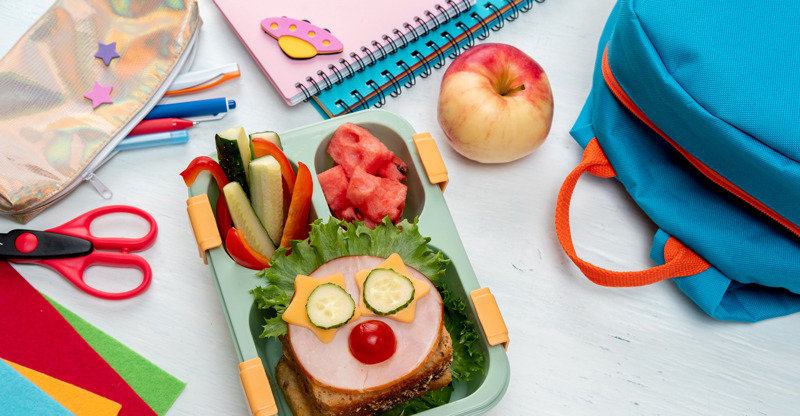
The upside of packing lunch is control and customization. You know exactly what’s going in, you can accommodate picky eating, and you can tailor portions to your child’s appetite and activity level. Pediatric dietitians recommend building each lunch box around five components: a protein, a whole grain, a fruit, a vegetable, and a calcium-rich food like milk, cheese, or yogurt — which mirrors USDA’s own MyPlate guidance. The catch is that packed lunches only stay healthy if they’re planned. Registered dietitians warn against the temptation to default to processed snack packs, sugary juice boxes, and refined-carb staples like plain PB&J every day. A simple trick is the “snack box” approach (“bento-style”): small compartments filled with deli meat or hummus, cheese or cheese cubes, a crunchy veggie, fruit, and whole-grain crackers keep kids interested without relying on packaged junk. Watch labels on granola bars and yogurt — aim for granola bars with at least 3g of fiber and no more than 6g of sugar, and yogurts where protein grams outnumber sugar grams.
Whichever route your household takes, a few habits make the biggest nutritional difference. Aim for at least three to five food groups at lunch — protein, grain, fruit, vegetable, and dairy — and skip soda or sugary juice in favor of water or low-fat milk. If your child eats in the cafeteria, talk with them about picking items from each food group and skipping the vending machine If you’re packing, plan the week’s lunches in advance, involve your child in choosing and assembling their own food, and use a bento-style box to control portions and keep meals visually fun.
There’s no universal “better” choice between cafeteria lunch and lunch box — both can be nutritious or both can fall short depending on execution. What matters most is hitting the core food groups, watching added sugar and sodium, and getting your child involved in the process so they actually eat what’s in front of them. For many families, a mix of both — a few cafeteria days and a few packed days — offers the best balance of convenience, nutrition, and kids’ preferences as the new school year begins.