Newest Trends in Exercise
by Journey to Health Program Director, Becky Anderson
Technology Leads The Way
Wearable technology tops the list for the first time, with biosensors now tracking heart rhythm, blood pressure, blood glucose, and even fall detection—nearly half of U.S. adults already own a tracker or smartwatch. Close behind is data-driven coaching, where trainers use heart rate variability and sleep data to guide recovery and intensity, plus a rise in mobile exercise apps for on-demand, trackable workouts. AI is also becoming a “quiet amplifier” for trainers—used for program design and content prep rather than replacing human coaching.
Aging, Longevity, and Weight Management
Fitness programs for older adults ranked #2, reflecting the aging population’s need for resistance training, balance work, and low-impact cardio to preserve independence. Strength training for longevity is being called the fastest-growing client goal overall. A related major shift: exercise paired with GLP-1 weight-loss medications, where the focus has moved from calorie-burning to preserving lean muscle mass and metabolic health during and after drug treatment.
Mind-Body and Mental Health Integration
Balance, flow, and core work — Pilates, yoga, barre — has surged back into the top 5 as people seek holistic, mind-body approaches. Exercise for mental health is its own standalone trend now, with resistance training linked to lower depressive symptoms and mindfulness-based movement supporting stress reduction.
Community and Convenience
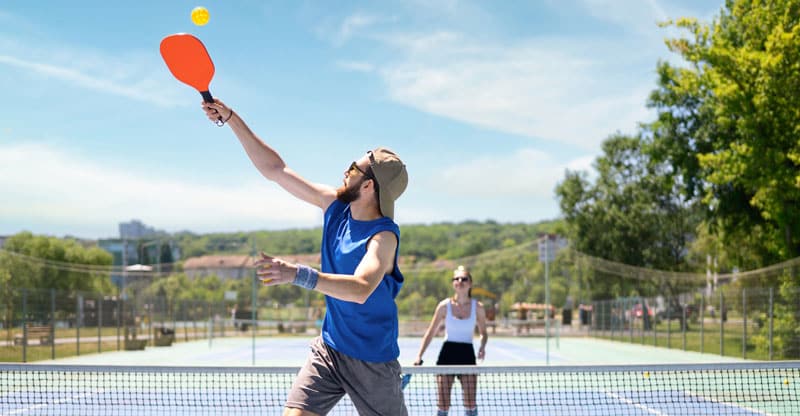
Adult recreation and sport clubs—pickleball, run clubs, adult leagues—are trending as people want fitness that’s social and fun, not just clinical. NASM (National Academy of Sports Medicine) also highlights women’s health and life-stage training (especially perimenopause/menopause-specific programming), micro-workouts or “exercise snacks” for time-crunched schedules, and recovery being built directly into programming — sleep, breathwork, and deload weeks as standard, not optional. Traditional strength training and functional fitness (squats, lunges, carries for real-life movement) round out the classics that remain strong.